By Lesley Young, Founder and Executive Producer, Greyline Media
Almost every athlete interview I have ever produced started with the same sentence from someone on the team side: "You've got ten minutes."
Sometimes it is twenty. More often it is five. Almost never is it what the schedule said the week before.
That is not a complaint. Athletes are working when we see them. They are between training and treatment, between a press obligation and a flight, between a loss and the next match. Their time is the scarcest thing on any shoot, and it is the one thing no budget can buy more of.
After nearly two decades of sidelines, tunnels, rooftops and living rooms, here is what I am sure of: whether those ten minutes produce something usable or something memorable is decided almost entirely before the athlete walks in.
The prep is the interview. By the time the athlete arrives, the producer should already know the story we are telling, where this person fits in it, and the one question they have not been asked five times that week. Athletes can hear a recycled question in the first three words. Ask them something they actually have to think about, and you get a different person on camera.
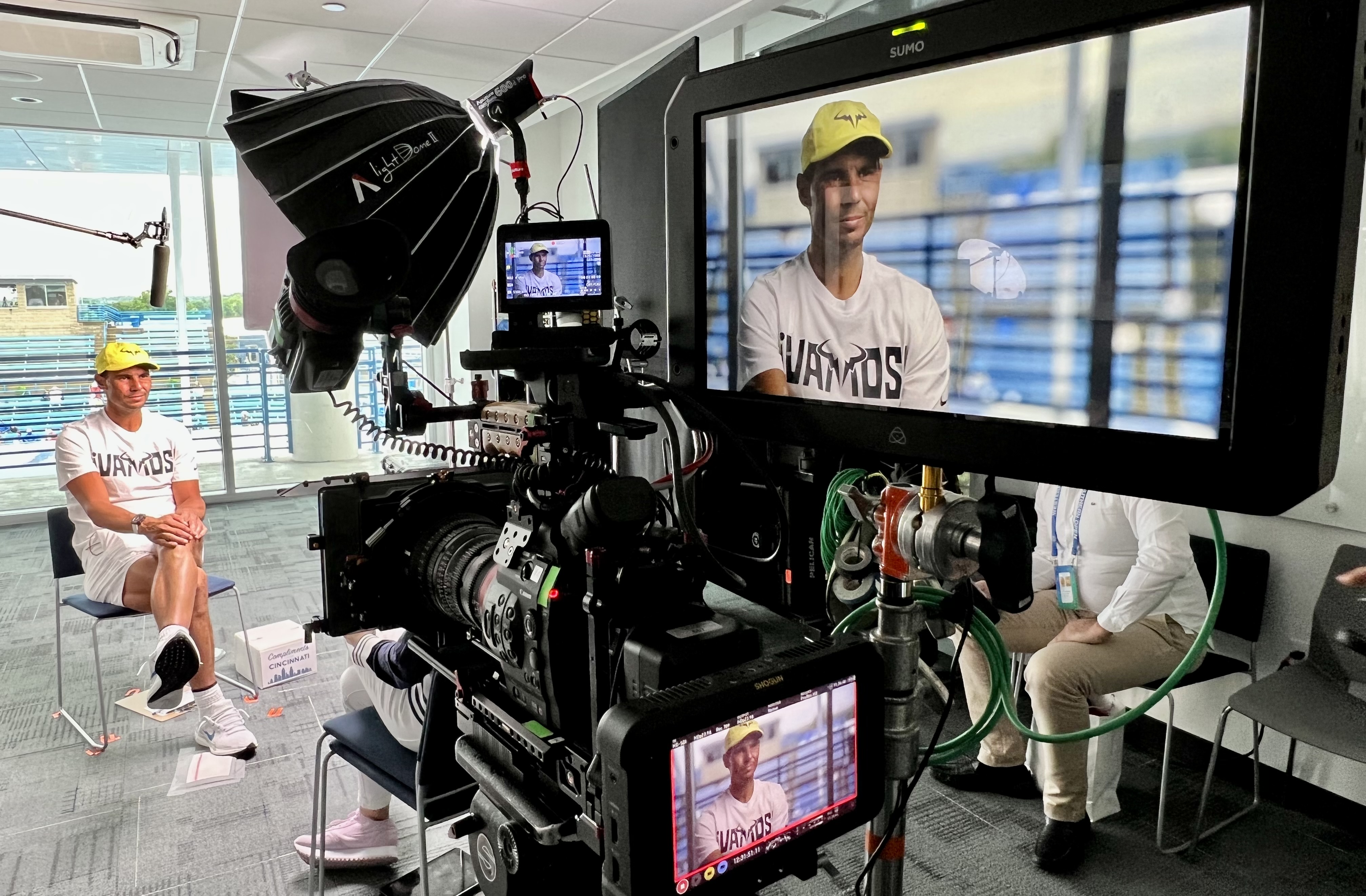
The room should be finished before they get there. Lights set on a stand-in. Audio checked. Framing locked. Slate written. Every setup logged. If we lose the first ninety seconds to a mic that will not seat or a light that is too hot, that is ninety seconds we never get back, and it is the athlete who notices first.
And the team should agree, out loud, on the one moment we must leave with. Not a shot list of forty. One. If everything else goes sideways, what is the piece we cannot go home without? Everybody on the crew should be able to answer that before we roll.
The instinct on a lot of shoots is to pull the athlete into your world: a formal set, a chair, a backdrop. Sometimes that is right. More often, the better content comes from going into theirs.
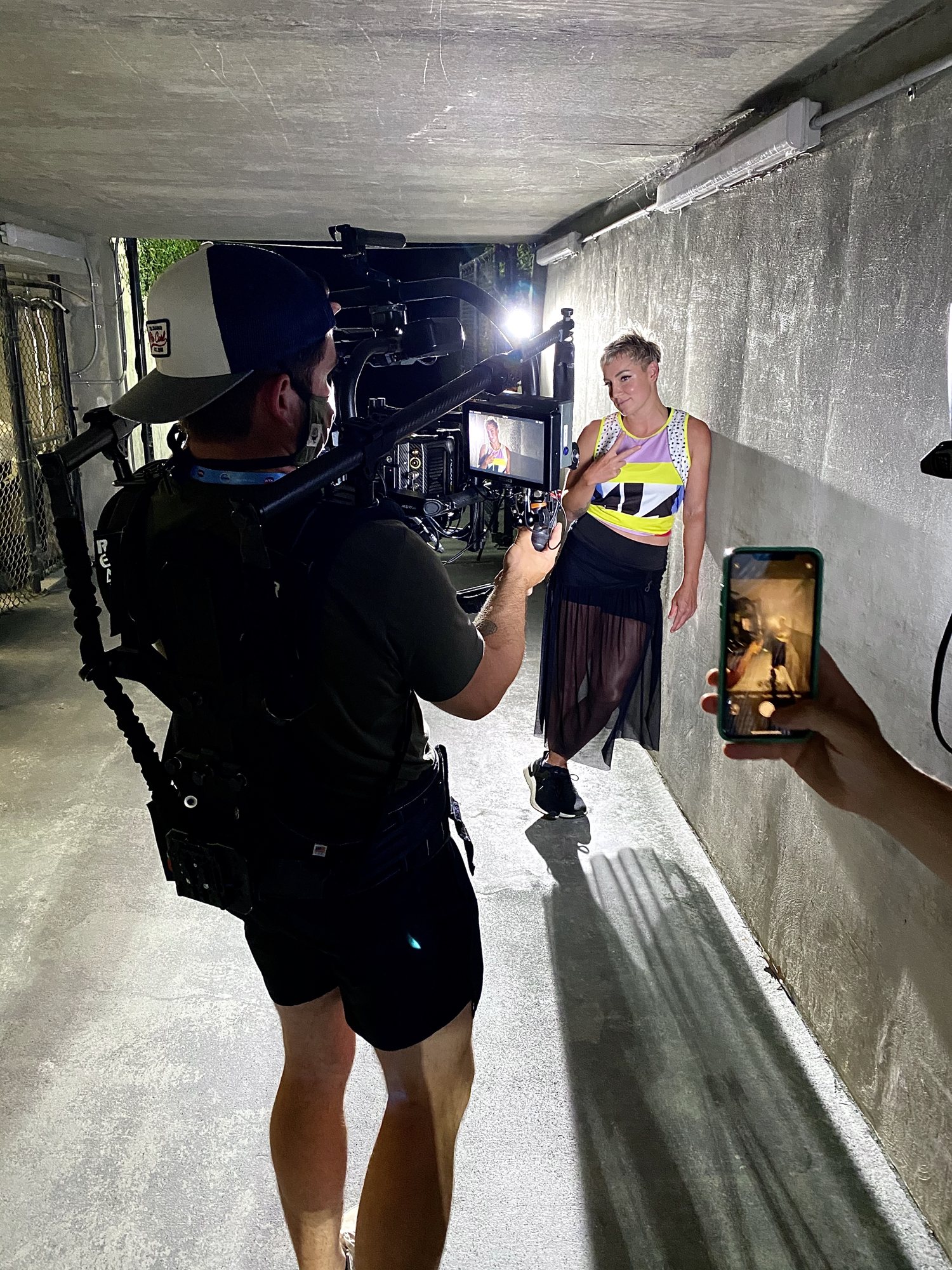
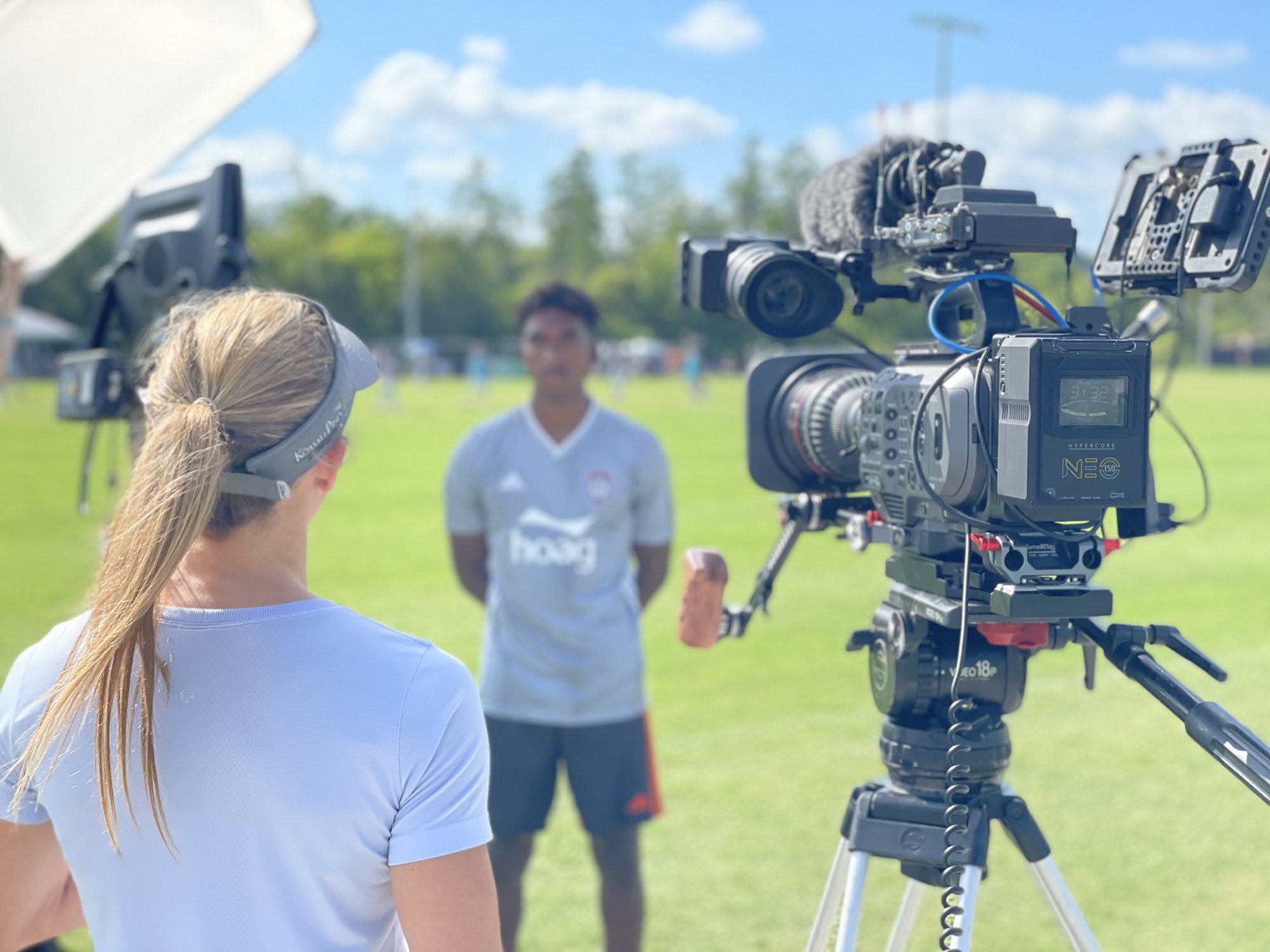
A walk-and-talk in the tunnel on the way out to warm up. Five minutes on the pitch right after training, still breathing hard. A conversation at home, on their couch, with their things on the shelf behind them. The athlete stays in motion and in their own routine, and they stop performing an interview and start just talking.
That takes a crew built for it: small, quiet, fast, comfortable working handheld or on a Steadicam in tight spaces, and able to make a hallway look like it was chosen on purpose. It also takes a producer willing to give up some control over the frame in exchange for something real inside it.
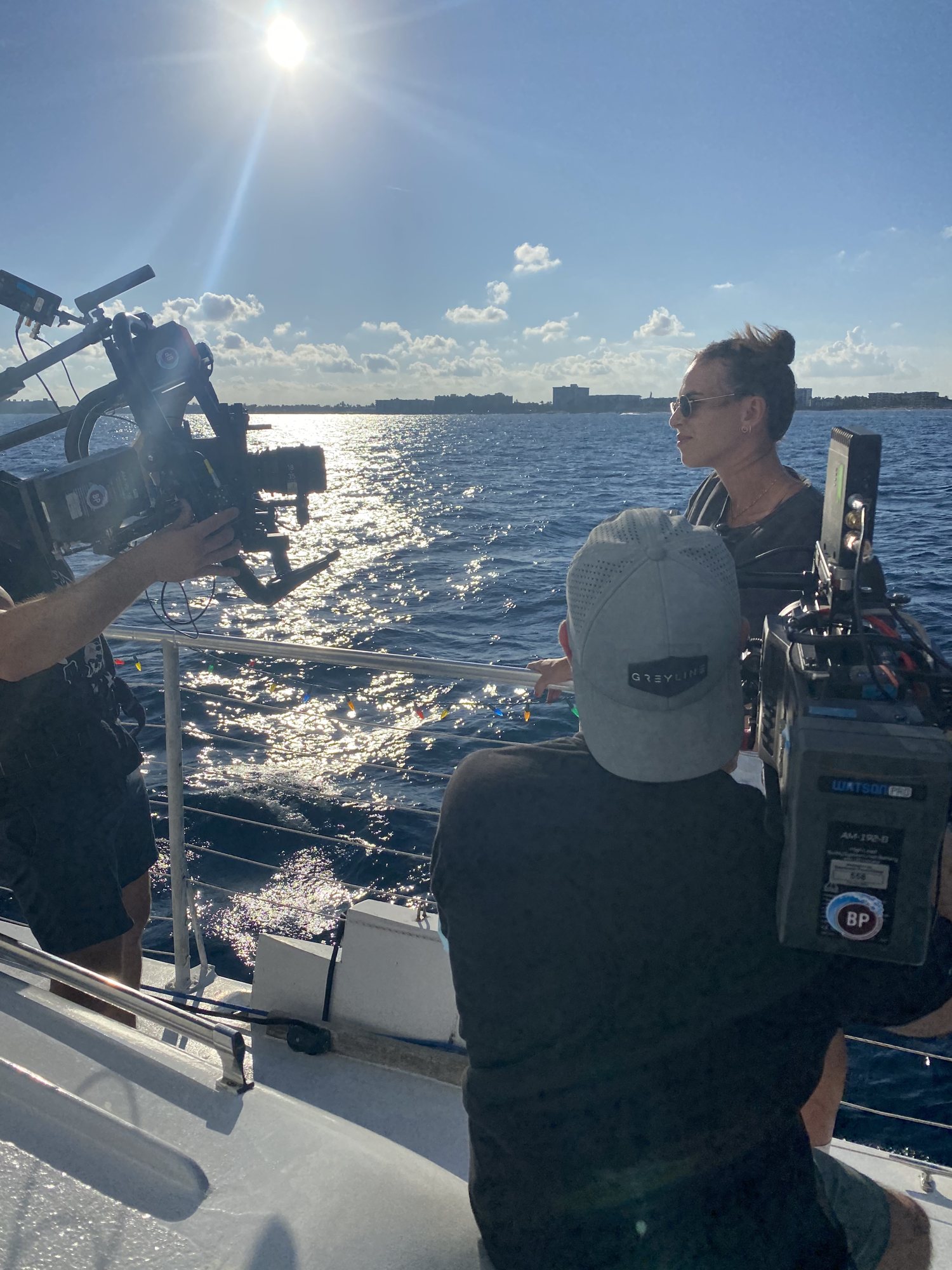
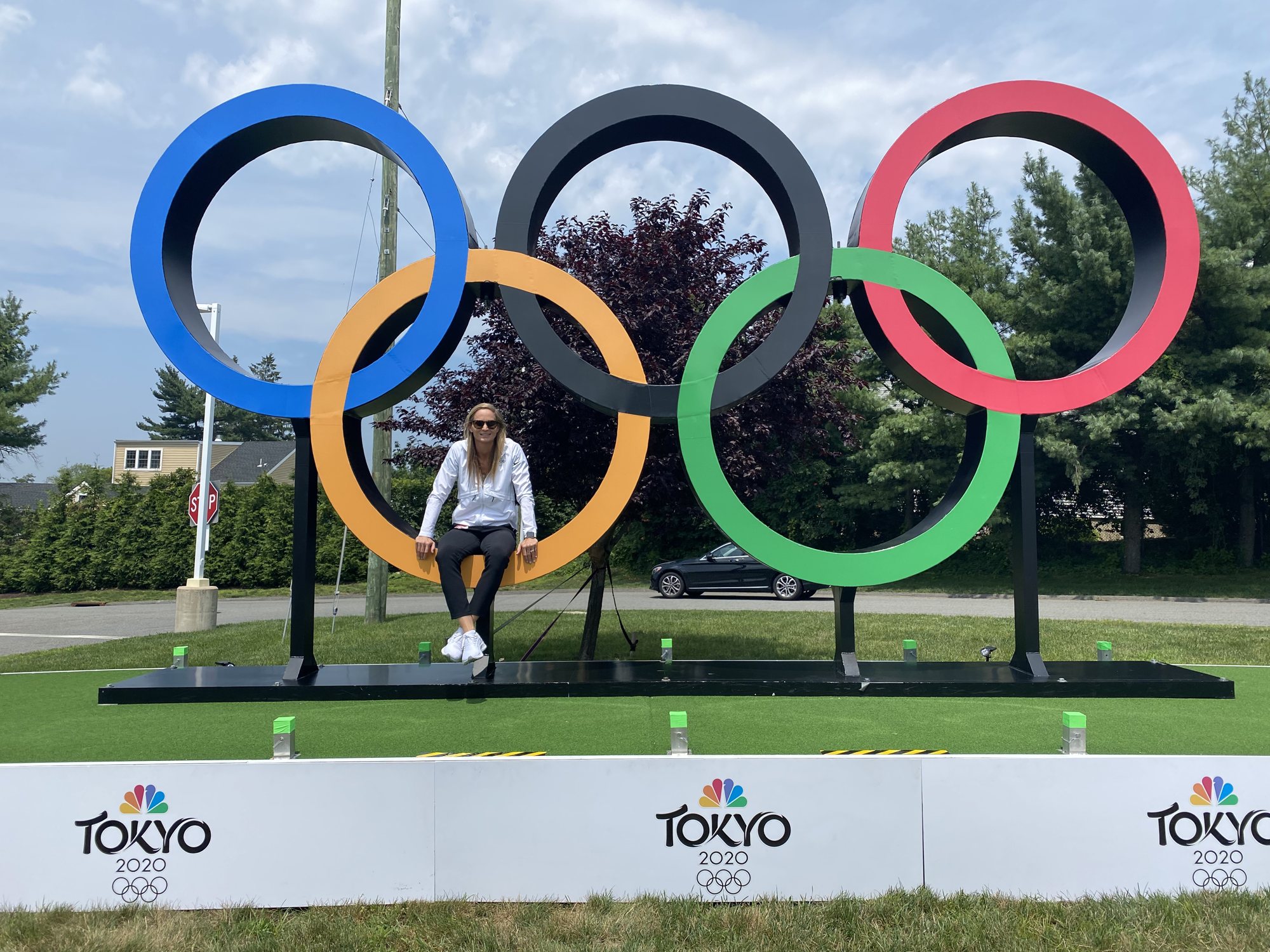
The same principle holds when you cannot be in the room at all. When we produced On Her Turf during the Tokyo Olympics from here in the U.S., much of the athlete content came through a screen from the other side of the world. The job did not change. Know the story, have the setup finished before they join, respect the window, and make it feel like a conversation instead of a checklist.
Here is the part that rarely makes it into a production plan. The athlete and their communications team will remember exactly how you treated their time, long after they have forgotten what you asked.
So we finish early whenever we can. We say out loud when we are done, instead of sneaking in "one more." We never ask the comms lead to fight for extra minutes on our behalf. And when the window shrinks from twenty minutes to six on the day, we take the six gracefully and make them count, because the shrink is almost never the athlete's fault.
The best interview you will ever get is the second one. You only get it if the first one ended on time.
Repeat access is where the real storytelling lives. The athlete who trusts you gives you the locker room, the family, the bad day. That trust is built in ten-minute installments.
If you are a league, a club or a brand paying for athlete content, those ten minutes are the most expensive line item that never appears on your invoice. You negotiated for that access. Sponsors may be paying for it. Wasting it on a slow setup or a generic question costs you far more than the crew day.
A few questions will tell you a lot about any production partner before you hire them. Ask how they prepare for an interview, and listen for the story, not the gear. Ask how long they need to be ready before the athlete arrives. And ask what they do when they are promised twenty minutes and handed five. A good partner has a specific, slightly boring answer, because it has happened to them many times already.
That is the work we love most at Greyline: getting real moments from real people inside a very small window, whether it is a sideline feature, a branded campaign or a longer documentary story.
If you have athletes, a story and a tight schedule, I would be glad to talk about how we would use your ten minutes. Reach out anytime.