By Lesley Young, Founder and Executive Producer, Greyline Media
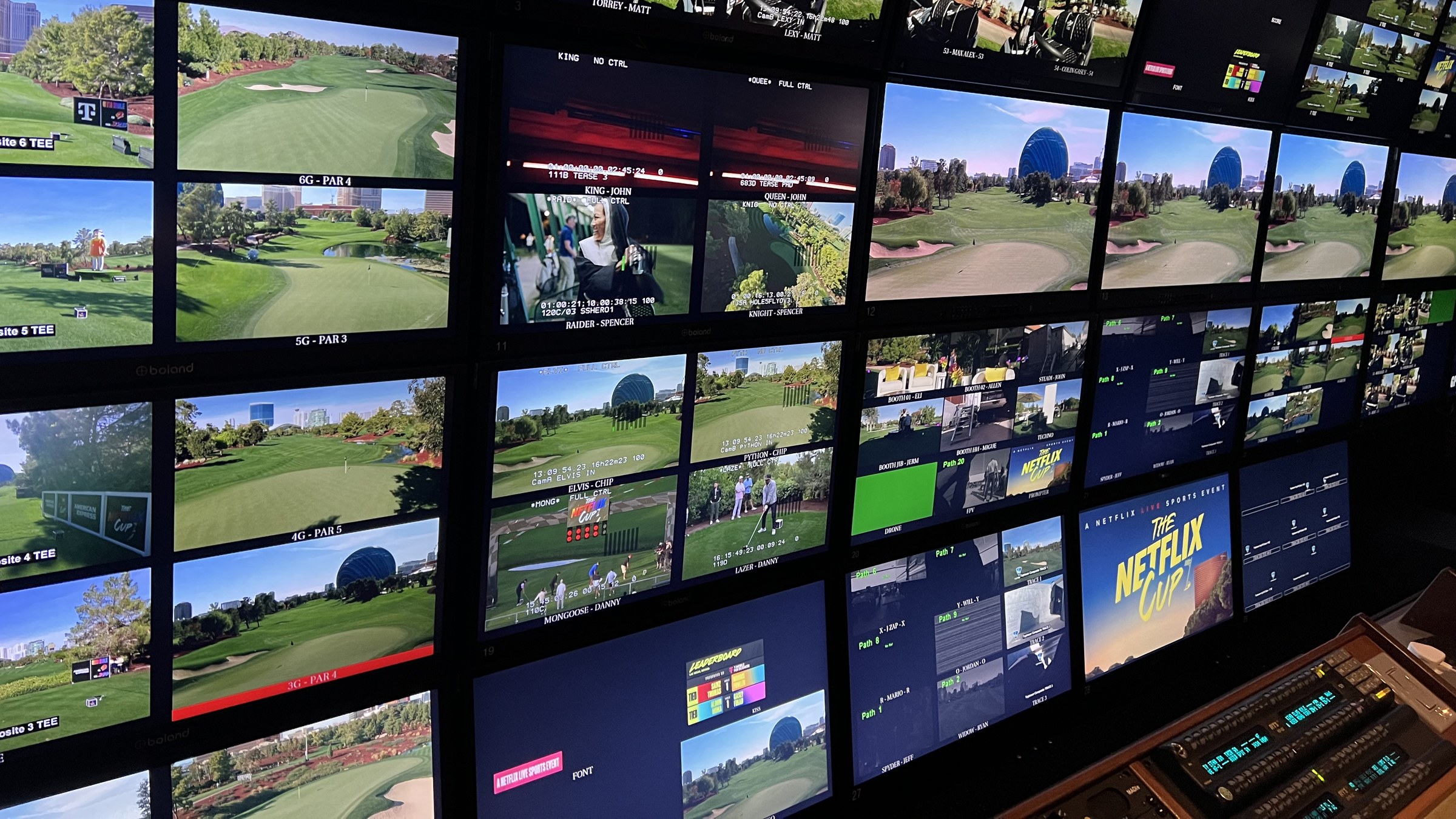
If you could put on a headset in a production truck ten minutes before air, you would learn more about the show you are about to get than any reel could ever tell you.
Listen to a well-run truck and the first thing you notice is how little anyone says. Short calls. Counts. One voice leading, everyone else answering in a word or two. Nobody raises their voice, including when something breaks. And something always breaks.
Listen to a struggling truck and it is the opposite. Four people talking over each other on the main channel. Questions that should have been settled in rehearsal getting asked live. A director narrating their own stress to thirty people.
I have spent nearly two decades in trucks and control rooms, and the thing I am most sure of is this: your audience cannot hear any of that, and they can see all of it.
Nobody at home knows what a tally light is. They do not know that the replay operator was cued two seconds early, or that the graphics operator had the next lower third built before the player crossed midfield. What they know is that the show felt easy to watch.
Calm shows up on screen as small things done on time. The camera holds on the face after the goal instead of whipping away to find the next shot. The replay arrives while the crowd is still reacting, not after the restart. The name on the screen is spelled right. The sponsor read runs where it was sold, not three minutes late because somebody lost track of the break.
Panic shows up too. Whip pans. Replays that land on top of live action. Graphics that flash up and vanish. Dead air while someone works out whose turn it is. Viewers rarely describe it that way. They just say it looked cheap, or they quietly stop watching.
Panic is contagious over a headset. So is calm. Whichever one the truck has, your audience gets.
Calm is not a personality trait. Some of the steadiest directors I know are intense people. Calm in a truck is built, and it is built almost entirely before anyone goes on air.
It comes from rehearsal that is real rather than ceremonial. Walking the open, the first break, the close. Then breaking things on purpose. What happens if camera one loses power, if the lead announcer's mic dies, if the match goes to extra time and eats the post-show. When a failure has already happened once in rehearsal, it is a procedure on show day instead of a surprise.
It comes from clear roles. One producer owns the editorial. One director owns the cameras. Everyone knows who makes which call, so nobody has to ask on air. Most of the on-air confusion I have heard over a headset was really a question about who was in charge, being asked at the worst possible moment.
And it comes from repetition. The first time you watch a weather delay swallow a live window, it is chaos. By the fifth time, you have a plan before the horn sounds. Most of what time in the chair buys you is pattern recognition: seeing a problem forming thirty seconds before it arrives and quietly steering around it. That is the part of experience that never appears on a gear list, and it is the part that protects your broadcast.
You do not need to be a broadcast professional to evaluate any of this. You just need a few questions that bring it to the surface.
Ask a prospective production partner what they rehearse, and how. If the answer is a camera check and a mic check, that is a facilities test, not a rehearsal. A strong answer includes what they plan to break on purpose.
Ask what happens if their primary camera goes down in the first five minutes. You are not looking for a heroic war story. You are looking for a boring, specific answer that sounds like the decision was made weeks ago.
Ask who talks on the main channel during the show. Short answers here are good answers.
And ask whether you can listen in on the headset during rehearsal for your first show. A partner who is confident in how they run a truck will welcome it. You will know within ten minutes what kind of broadcast you are about to get.
When you hire a crew, the quote reads as people, days and equipment. What you are actually buying is a room full of people who stay composed while the plan changes around them, so your athletes, your sponsors and your fans see a show that looks like it was always going to go exactly that way.
That composure is the product. Everything else is how it gets delivered.
If you are planning coverage for a season, a championship, or a single event you cannot afford to get wrong. I would be glad to talk through what a steady broadcast looks like for your property and how we would run the truck for it. You can reach me anytime at greylinemedia.com.